Dacia, a name synonymous with affordable and reliable automobiles, has carved a significant niche in the global automotive industry. Founded in 1966, the Romanian car manufacturer has undergone numerous transformations, evolving from a local producer to an internationally recognized brand under the stewardship of Renault. This article delves into Dacia’s rich history, its evolution through the decades, and its promising future.
Dacia – Early History (1966-1989)
Dacia was established in 1966 in Colibași, Romania, with a vision to build a national car for the Romanian people. The company’s early years were marked by a significant collaboration with the French automaker Renault. This partnership was pivotal in shaping Dacia’s initial product line. The first model, the Dacia 1100, was a licensed version of the Renault 8, launched in 1968. This compact sedan quickly gained popularity due to its practicality and robustness, making it a common sight on Romanian roads.
In 1969, Dacia introduced the Dacia 1300, based on the Renault 12. This model became the cornerstone of Dacia’s production for many years, with various versions being produced until 2004. The 1300 series, including sedans, station wagons, and pick-up trucks, were known for their durability and ease of maintenance. Despite the constraints of the communist economy, Dacia managed to produce a range of vehicles that were affordable and reliable, thus earning a loyal customer base.

Transition and Growth (1990-2000)
The 1990s were a period of significant transition for Dacia, as Romania shifted from a communist regime to a market economy. This transition brought about numerous challenges, including the need to modernize production facilities and update the product lineup to meet new market demands. Dacia faced increased competition from Western automakers entering the Romanian market, which pressured the company to innovate and improve quality.
In response to these challenges, Dacia launched several new models, including the Dacia Nova in 1995. The Nova was the first model entirely developed by Dacia and featured a modern design and improved performance. However, it struggled to compete with more established Western brands, highlighting the need for further investment and strategic partnerships.
Renault Acquisition and Modernization (2001-2010)
A turning point in Dacia’s history came in 1999 when Renault acquired a majority stake in the company. This acquisition marked the beginning of a new era, characterized by significant investments in modernization and a strategic focus on producing affordable, reliable vehicles for both local and global markets.
The most notable outcome of this partnership was the launch of the Dacia Logan in 2004. Designed to be an affordable family car, the Logan quickly became a global success. Its low price, robust build, and spacious interior appealed to a wide range of customers, particularly in emerging markets. The Logan’s success underscored Dacia’s ability to produce high-quality vehicles at competitive prices, reinforcing the brand’s value-for-money proposition.
During this period, Dacia also expanded its product lineup with models such as the Sandero and the Duster. The Sandero, a compact hatchback, offered practicality and affordability, while the Duster, an SUV, combined ruggedness with versatility. Both models were well-received, further cementing Dacia’s reputation for producing reliable and affordable vehicles.
Expansion and Diversification (2011-2020)
Building on the success of the Logan, Sandero, and Duster, Dacia embarked on an ambitious expansion and diversification strategy in the 2010s. The company entered new markets, including Western Europe, Africa, and South America, significantly increasing its global footprint.
Dacia’s approach to diversification was evident in the launch of models such as the Lodgy, a compact MPV, and the Dokker, a versatile van designed for both personal and commercial use. These models addressed the needs of different customer segments, enhancing Dacia’s appeal across various demographics.
Technological advancements also played a crucial role in Dacia’s growth during this period. The company introduced features such as modern infotainment systems, advanced safety technologies, and more efficient engines. These innovations helped Dacia stay competitive in an increasingly tech-driven automotive market.
Moreover, Dacia’s commitment to sustainability became more pronounced. The company began exploring eco-friendly technologies, including electric and hybrid powertrains, aligning with global trends towards greener mobility solutions.
Current Status and Market Position (2021-Present)
As of today, Dacia stands as a formidable player in the automotive industry, known for its cost-effective and reliable vehicles. The brand’s current lineup includes updated versions of the Logan, Sandero, and Duster, alongside newer models like the Spring, Dacia’s first electric car. The Spring embodies Dacia’s commitment to sustainability and innovation, offering an affordable entry into the electric vehicle market.
Dacia’s market performance remains strong, particularly in Europe, where it continues to capture significant market share. The brand’s strategic focus on affordability, combined with Renault’s technological support, has enabled it to maintain a competitive edge. Dacia’s vehicles are often praised for their value-for-money proposition, reliability, and low running costs, making them a popular choice among budget-conscious consumers.

Recent innovations include the integration of advanced driver-assistance systems (ADAS), improved connectivity features, and more efficient powertrains. These developments reflect Dacia’s ongoing efforts to enhance the overall driving experience while maintaining affordability.
Dacia, Future Prospects
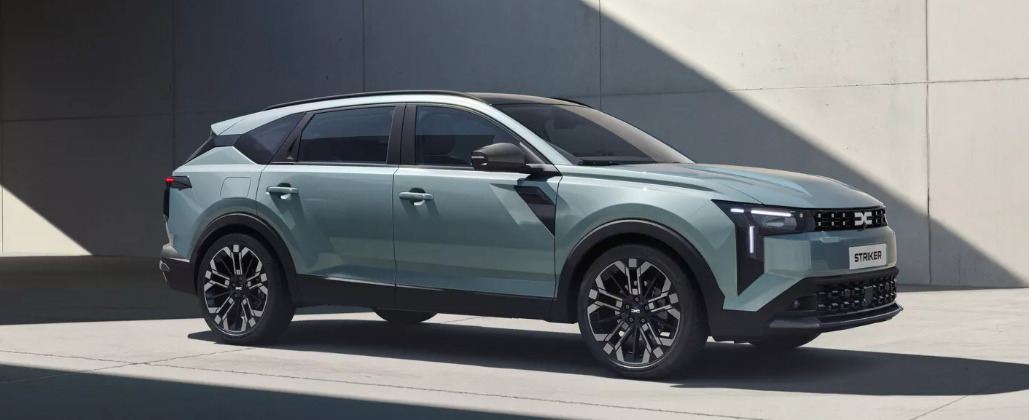
Looking ahead, Dacia’s future appears promising, with several key initiatives and strategic plans in place. The brand aims to continue its focus on affordability while incorporating advanced technologies to meet evolving customer expectations. Dacia’s future vision includes the development of more electric and hybrid models, aligning with the broader industry shift towards sustainable mobility.
Technological advancements will be at the forefront of Dacia’s future endeavors. The brand plans to leverage Renault’s expertise in electric and autonomous driving technologies to develop innovative solutions that enhance safety, efficiency, and convenience. Additionally, Dacia is exploring ways to integrate smart connectivity features, providing a seamless and intuitive user experience.
Sustainability remains a core priority for Dacia. The company is committed to reducing its environmental footprint by adopting greener manufacturing processes and utilizing eco-friendly materials. Dacia’s future models are expected to incorporate recycled and sustainable materials, contributing to a more sustainable automotive industry.
Despite the promising prospects, Dacia will face challenges, including increased competition in the budget segment and the need to adapt to rapidly changing consumer preferences. However, the brand’s resilience and adaptability, demonstrated throughout its history, position it well to navigate these challenges and seize new opportunities.
Dacia’s journey from a local Romanian car manufacturer to a globally recognized brand is a testament to its resilience, innovation, and strategic vision. Over the decades, Dacia has consistently evolved, adapting to changing market conditions and leveraging key partnerships to drive growth and success. Today, Dacia stands as a symbol of affordability, reliability, and value in the automotive industry.
As Dacia looks to the future, it remains committed to delivering high-quality vehicles that meet the needs of budget-conscious consumers while embracing sustainability and technological innovation. With a strong foundation and a clear vision for the future, Dacia is poised to continue its remarkable journey, contributing to the global automotive landscape for years to come.